Women’s Cricket · Explainer
Women’s Cricket: A Guide to the Game and Pakistan’s Journey
Explore the formats, history and match details that make women’s cricket worth following.
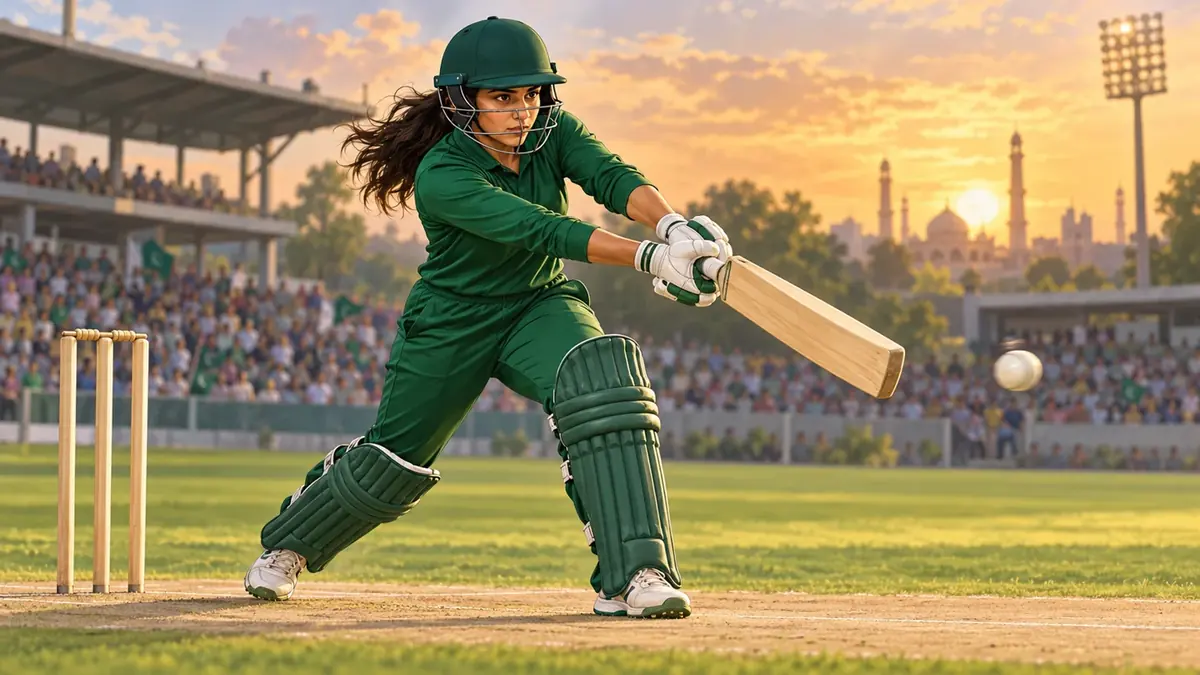
Women’s cricket offers everything that makes the sport compelling: skilful batting, clever bowling, sharp fielding and matches that turn on a single moment. For fans in Pakistan, following the women’s game also provides another way to understand the country’s cricketing story.
Whether you are watching your first match or looking beyond the final score, this guide explains the main formats, an important piece of World Cup history and how to follow Pakistan women’s cricket.
Women’s cricket made World Cup history
The first Women’s Cricket World Cup took place in England in 1973—two years before the first men’s tournament. England won the inaugural competition, giving women’s cricket a pioneering place in the history of international limited-overs tournaments. Read the ICC’s World Cup history.
That history is a useful starting point for new fans. Women’s cricket has its own traditions and achievements, and its major competitions deserve attention in their own right.
Understanding the main formats
One Day Internationals
An ODI normally gives each team a maximum of 50 overs, unless weather or other interruptions shorten the match. Batters must balance scoring quickly with protecting wickets, while bowlers work to restrict runs and break partnerships.
Watch how teams approach the middle overs. Regular singles, well-timed boundaries and wickets during this phase can shape the final result.
T20 Internationals
A T20 international normally allows each team up to 20 overs. The shorter format puts greater emphasis on quick decisions, boundary scoring and adapting to changing match situations.
A useful way to follow a chase is to compare the required run rate with the wickets remaining. A team needing eight runs per over with plenty of wickets has a different challenge from one facing the same rate with its main batters dismissed.
Test cricket
Test cricket is played across multiple days, with teams normally having two innings each. It rewards patience, sustained bowling pressure and the ability to adapt as the pitch changes. The contest can develop slowly before shifting dramatically through a batting partnership or a spell of accurate bowling.
Pakistan women’s cricket: building a sporting journey
Pakistan’s international women’s cricket history includes a tour of Australia and New Zealand in 1997, documented in the PCB match archive. The PCB later established its Women’s Wing in 2005, as described in its women’s cricket overview.
For supporters, following the national team is only part of the picture. Domestic matches and development competitions help explain how players gain experience and progress towards international selection.
When assessing a player, look beyond one innings or one match. A batter’s role, the opposition, pitch conditions and the match situation all matter. The same applies to bowlers: an economical spell can be valuable even when it produces few wickets.
What to watch during a match
- Partnerships: Notice how batters rotate the strike and rebuild after losing a wicket.
- Bowling plans: Watch changes in pace, length and field placement rather than focusing only on wicket totals.
- Fielding: Saved boundaries, accurate throws and catches can influence a close match as much as a big shot.
These details help explain why a team wins, rather than simply recording who won.
Where to find reliable updates
Use the ICC for international tournament information and the PCB for Pakistan team announcements and domestic updates. Check the publication date before sharing a squad list or fixture.
For Pakistani readers, confirm whether match times are shown in Pakistan Standard Time or the host country’s local time. Broadcast arrangements should also be checked for the specific series and your location.
Explore our fixtures and results or read the Pakistan U19 Women–Bangladesh match report.
Frequently asked questions
When was the first Women’s Cricket World Cup?
It was held in England in 1973, and England won the tournament.
How many overs are played in women’s cricket?
ODIs normally have up to 50 overs per side, while T20 internationals have up to 20. Test cricket follows a multi-day format.
How can I follow Pakistan women’s cricket?
Start with official PCB announcements, then use tournament fixtures and scorecards to follow individual matches. Reading the full scorecard alongside a match report gives a clearer picture than a result alone.
Women’s cricket rewards regular attention. Follow a series, learn the players’ roles and watch how teams respond under pressure—the stories become richer with every match.
Sign up for cricket and football email updates →